

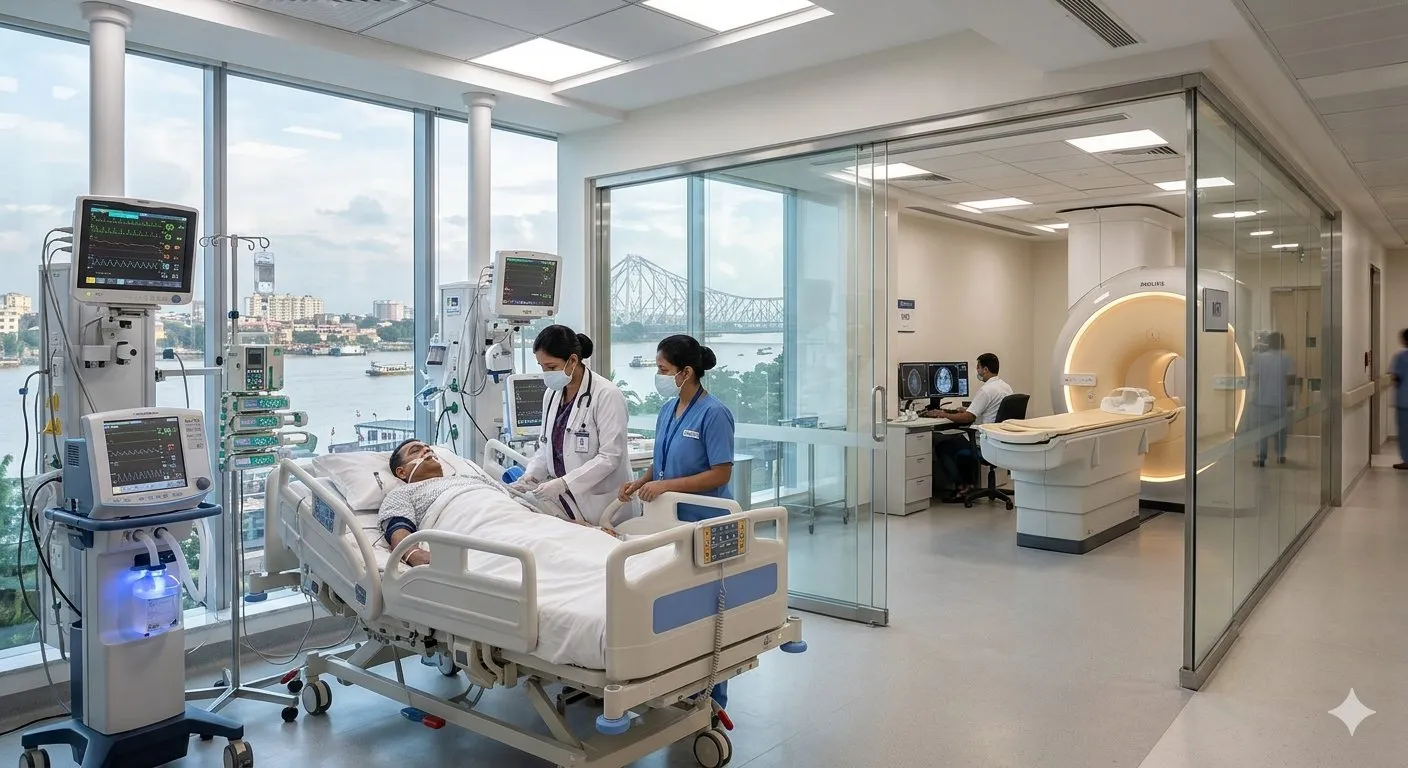
Building or expanding a hospital is a long project in which equipment decisions are among the most consequential. Beds and buildings are visible, but outcomes depend on the devices working quietly beside every patient. Administrators in the city often begin by shortlisting a trustworthy hospital equipment supplier in kolkata who can supply, install and service devices under one relationship. This article outlines a practical order of priorities for critical care and imaging, helping decision-makers sequence purchases without overspending early. The right start matters.
Map Every Department Before Buying
Equipment should follow patient flow, not the other way around. Walk through the emergency room, operating theatre, intensive care unit, wards and diagnostic areas, noting what each needs on day one. Include power points, oxygen and suction lines, and space for future additions. Involving department heads at this stage uncovers needs that purchase officers might miss, and it produces a single, agreed list that avoids duplicate orders and last-minute changes. Clear maps also prevent costly rework once construction and installation are underway.
Critical Care Foundations
Intensive care and emergency units depend on a core group of devices: multi-parameter patient monitors, ventilators, infusion and syringe pumps, and defibrillators. These must be reliable at every hour, because failure leaves little room for improvisation. Prioritise ease of use, clear alarms, and consistent accessories across units. Standardising on compatible models reduces training time for rotating nurses and simplifies the stock of cables and probes that the hospital must carry at all times. Consistency here is a quiet but powerful advantage.
Phase Purchases Across Budget Cycles
Few hospitals can fund every department at once. A phased plan places life-saving and revenue-supporting equipment first, followed by secondary devices as occupancy grows. Negotiate pricing for later phases early, and ask suppliers whether models will remain available. Phasing also lets management observe how the first units perform in practice, so later decisions are based on real experience instead of brochures, demonstrations, and the optimistic promises that often accompany a large order. Patience in the early phase also protects financial flexibility.
Planning Radiology the Right Way
Imaging requires more preparation than most categories. Anyone planning to buy xray machine installations should first confirm room dimensions, shielding, electrical supply, and regulatory clearance, since radiation safety rules in India are overseen by the Atomic Energy Regulatory Board. Decide whether fixed, mobile, or C-arm systems suit your case mix. Discuss installation timelines openly, because delays in civil work often hold up commissioning more than delivery of the equipment itself does. Early coordination with engineers keeps the whole schedule realistic for everyone.
Compatibility and Spare Availability
A machine is only as dependable as the parts behind it. Before approving any purchase, ask how long spares will be stocked locally, whether accessories are interchangeable across models, and how quickly engineers can reach your campus. Equipment from a single ecosystem usually simplifies this. Hospitals that overlook the supply of probes, cables and sensors frequently end up owning perfectly good machines that cannot be used when patients need them most. Planning for supply continuity is part of buying wisely.
Seek Consultation Before Procurement
Experienced advisors can save months of trial and error. A consultation reviews your specialities, expected patient load, and budget, then recommends configurations that fit rather than the most expensive options. Look for providers whose advice is free from pressure and based on long industry experience. Independent opinions on room planning, utilisation, and sequencing often reveal savings that formal tenders overlook, and they strengthen the final purchase proposal considerably before management approval. An outside view often changes priorities for the better, and cheaply.
Life After Installation
Commissioning is the beginning of equipment responsibility, not the end. Plan acceptance testing, staff training, a maintenance schedule, and a process for reporting faults before the first patient is connected. Biomedical engineers should hold manuals, service records, and contact details for escalation. Hospitals that treat after-sales support as part of the purchase decision generally enjoy longer equipment life and fewer unplanned disruptions in critical areas, which protects both patients and budgets. Good habits formed here pay back in every single year.
Conclusion
Equipping a hospital successfully demands patience, early planning, and an honest view of clinical priorities. Map departments, secure critical care essentials, phase investments, plan radiology carefully, and insist on dependable aftercare. For decision-makers seeking a partner that understands these steps and supports healthcare institutions across the state, electrocareservices.com provides experience, guidance and service continuity that help a new facility begin its work on firm footing, with confidence in every department. That combination of foresight and support defines most successful healthcare projects.